
The Power of Blending Organizational Meetings with High-Impact Board Learning
by Tanya Prince, Associate Consultant
Every year, school boards across the country reset leadership as newly elected members take office and board officers are selected for the coming term. At this pivotal point, an opportunity to create new leadership expectations, establish trusting relationships, recommit to core values, and move towards a high-performing board is present – if seized.
The Importance of Organizational Culture
Superintendents and district leaders understand well that organizational culture is essential to district success and student outcomes. With high intentionality, leaders strive to create rich, empowered learning environments for students and a collaborative, growth-focused atmosphere for staff members. Yet, too often, board culture is left to chance or to the individual skill or personality of a board chair. Despite the common understanding that a district’s board can have a significant impact on its strategy, culture, direction, and, thereby, its student outcomes, limited time and attention are devoted to board leadership development and governance processes.
The organizational meeting provides a specific focal point for the board to pause and reflect on how it will work together to achieve the district’s mission and serve with excellence on behalf of students, staff members, and the community. This is often done with the approval of board roles, committees, protocols, authorizations, and other routine practices. Unfortunately, these routine board actions miss the opportunity to truly evaluate board effectiveness and to align board leadership behaviors and governance practices with those that will drive better decisions, increased collaboration, and improved board function.
So what can boards do this January to set a course toward becoming a high-performing school board? It begins with professional development. Bringing board members together immediately after the organizational meeting to establish new professional relationships, assess prior board effectiveness, and develop common leadership expectations creates intentionality of board function and a foundation to build from for the year ahead and years to come.
This kind of session can help boards:
- Reflect honestly on past performance
- Build shared expectations for leadership
- Strengthen relationships and communication

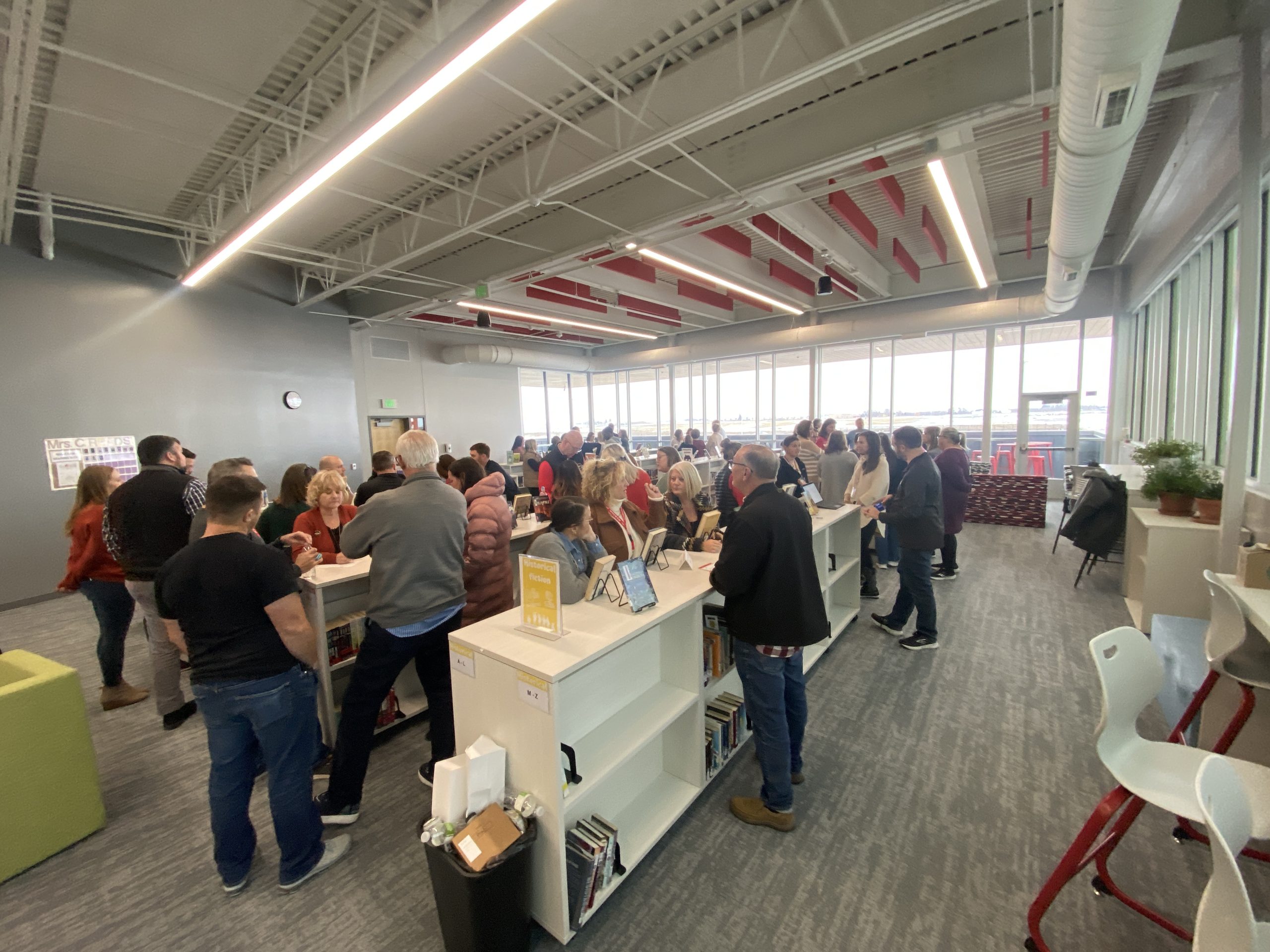
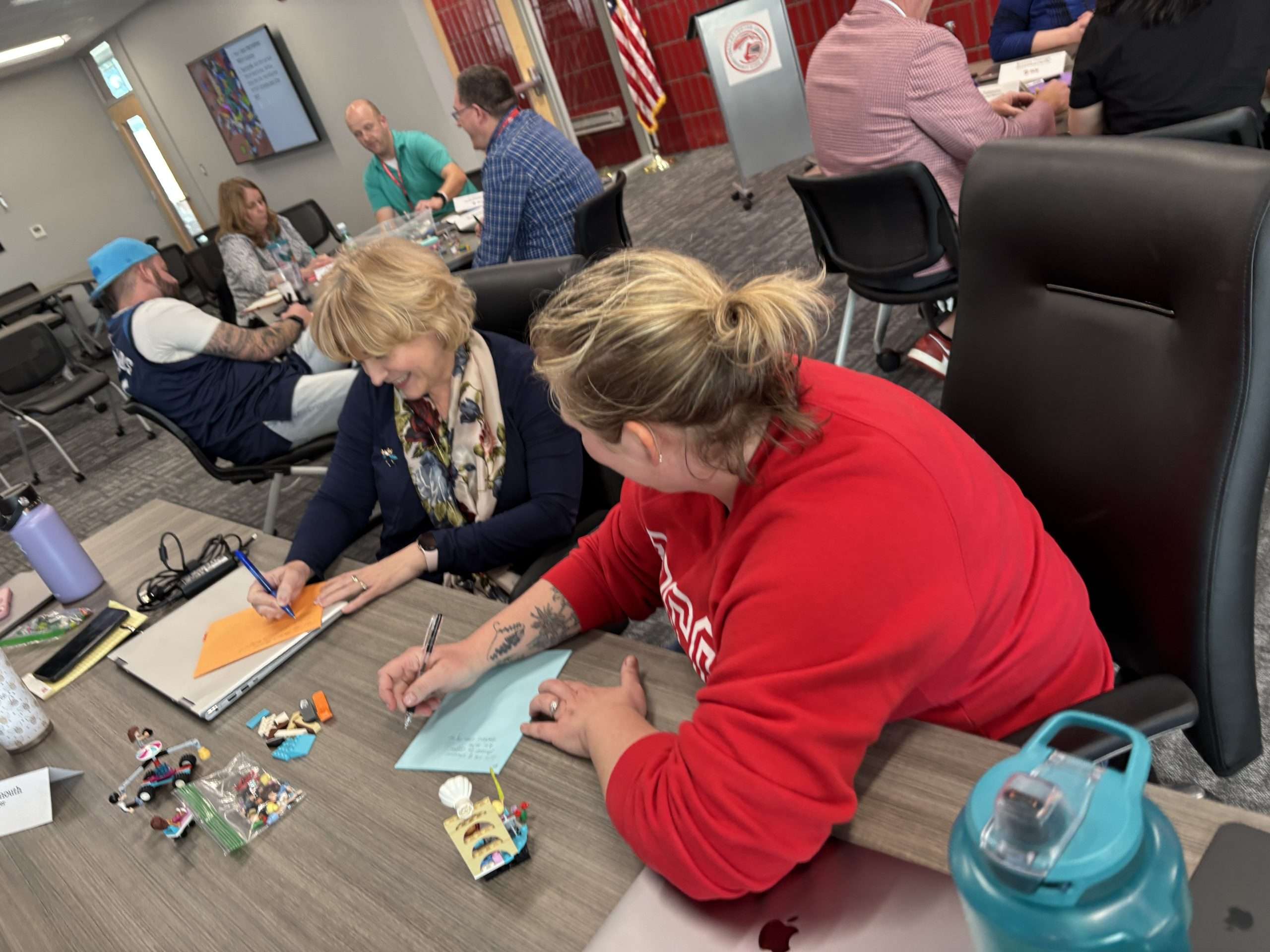
Recently, the Osseo Area Schools Board of Directors came together for professional development ahead of the January 2026 organizational meeting. Facilitated by TeamWorks, the board leveraged the Leadership Choices FrameworkTM to identify areas in which the board was working effectively together and areas for improvement. The facilitated exercise enabled the board to prioritize key behaviors and practices that they would commit to continuing, as leadership expectations, to further partnership and collaboration and to enable effective dialogue and decision-making.To the board, this work was more than a one-time exercise. As School Board Member and former Chair Kelsey Dawson shared:
“In a district as diverse as Osseo, we need space to build trust, set expectations, and practice how we show up for one another. Using the Leadership Choices FrameworkTM helped us see our strengths and where we can grow. And that matters, because staying grounded through hard conversations and working through our differences is exactly what we expect from our students, staff, and community. Those relationship-based conversations build the confidence and trust our district needs to ensure every student receives an exceptional educational experience.”
—Kelsey Dawson, Current School Board Member and Board Chair (2021–2022)
Professional development helps all board members – new and tenured – align to a shared leadership “north star” grounded in the district’s mission and values. It moves the board beyond the atmosphere of the election and into a renewed commitment to public service.
High-quality board development should:
- Level-set around core governance roles and responsibilities
- Reinforce the district’s culture, values, and priorities
- Integrate the unique attributes and dynamics of the newly formed board
- Support the board in defining shared leadership expectations and commitments
- Establish a rhythm of self-evaluation aligned with its leadership vision
Professional Development Is The Foundation
While new board norms, protocols, ways of working, decision criteria, superintendent-board relationship standards, and more will also need to be established to achieve the outcome of a high-performing school board, professional development is the foundation and on-ramp to early success in board work and function. Ultimately, these efforts are part of the important mission of creating a thriving school where everyone is aligned, focused, and fully equipped for success.
To take advantage of this window, board chairs and superintendents can plan ahead now to schedule professional development and protocol work sessions.
When you’re ready to explore how professional development can strengthen your board’s leadership, sharpen its focus, and set the stage for meaningful progress, I’d be happy to connect.
Feel free to reach out at tanya@teamworks4ed.com.